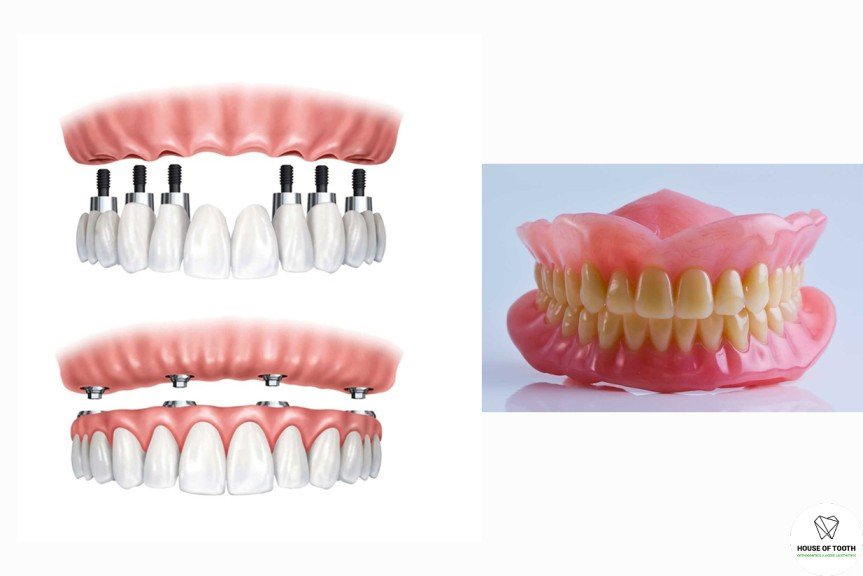
Replacing missing teeth · Baner, Pune

Dental Implants in Baner, Pune

Fixed, natural-looking replacements for one missing tooth, several teeth or a full arch. Each implant is planned on a 3D CBCT scan of your jaw, so we can see the bone before treatment and explain every step in advance.
  • Planned with 3D CBCT scans
  • A minor procedure under local anaesthetic
  • Most patients back at work in 2–3 days
  • From a single tooth to a full mouth
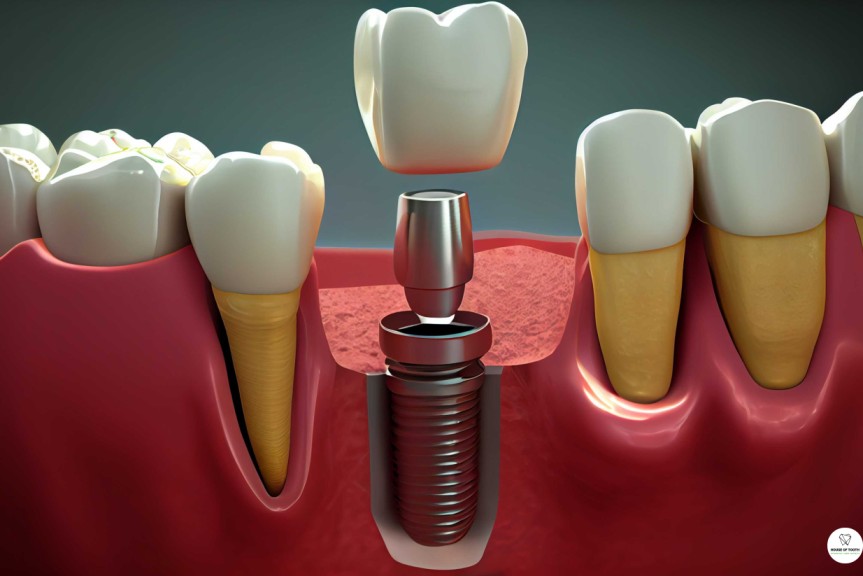
Dental implant with crown, House of Tooth, Baner

See the difference

Real results, real patients
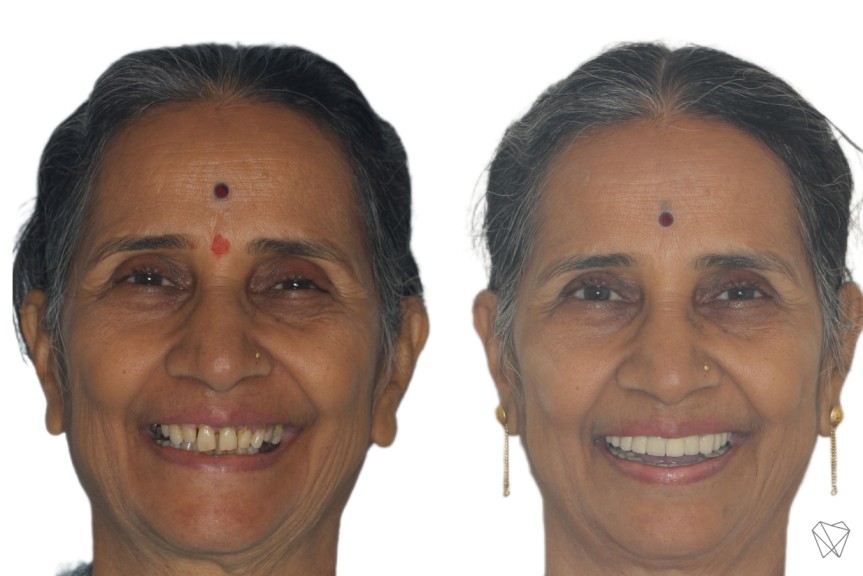
Before and after: 57-year-old patient's missing teeth replaced with dental implants at House of Tooth

Age 57: missing teeth replaced with implants in one week

Before (left) and after (right). Read the case study.

How long does it take?

From first scan to final tooth

Placing an implant is a minor procedure under local anaesthetic. Most people have some swelling for the first two or three days, are back at work within two or three days, and the gum heals over in about two weeks.

The implant then bonds to the jawbone, which takes about three months in the lower jaw and up to six in the upper. Your final crown goes on after that. When a whole arch is replaced, fixed temporary teeth are usually fitted within days, so you are not left without teeth.

Types of implant treatment

One tooth, several teeth or a full arch

Your plan depends on how many teeth are missing, the bone in your jaw and your general health.

Single-tooth implant

One implant and one crown replace one missing tooth. The teeth on either side are left untouched.

Implant-supported bridge

Two or more implants support a bridge to replace several missing teeth in a row.

Full-arch implants

A fixed set of teeth on a few implants, such as All-on-4 or All-on-6 in suitable cases. Full mouth rehabilitation

Not sure which?

Compare your options: bridge vs implant and implants vs dentures.

Are implants right for me?

Who can have dental implants

Implants usually suit you if

  • You are missing one or more teeth
  • Your gums are healthy, or can be treated first
  • You have enough jawbone, or a bone graft can build it up
  • Your general health is good
  • You want a fixed tooth rather than a removable denture

Good to know

  • Uncontrolled diabetes and heavy smoking raise the risk of problems
  • A bone graft or sinus lift adds a few months
  • A bridge can be better if the neighbouring teeth already need crowns
  • Don’t leave a gap for years: the bone under it slowly shrinks

How implant treatment works

Your implant, step by step

Step 1

Consultation and 3D scan

We examine your mouth and take digital X-rays and a 3D CBCT scan to check the bone.

Step 2

Your plan

We explain where each implant will go, whether a graft is needed, how long it will take and what to expect.

Step 3

Placing the implant

A minor procedure under local anaesthetic. You will be numb for two to four hours afterwards.

Step 4

Healing

The gum heals in about two weeks; the implant bonds to the bone over about 3–6 months.

Step 5

Your final tooth

We fit the final crown or bridge and check your bite.

Real results

Implant patients at House of Tooth

Every case is different, so your plan and timeline depend on your bone, your health and how many teeth are replaced.
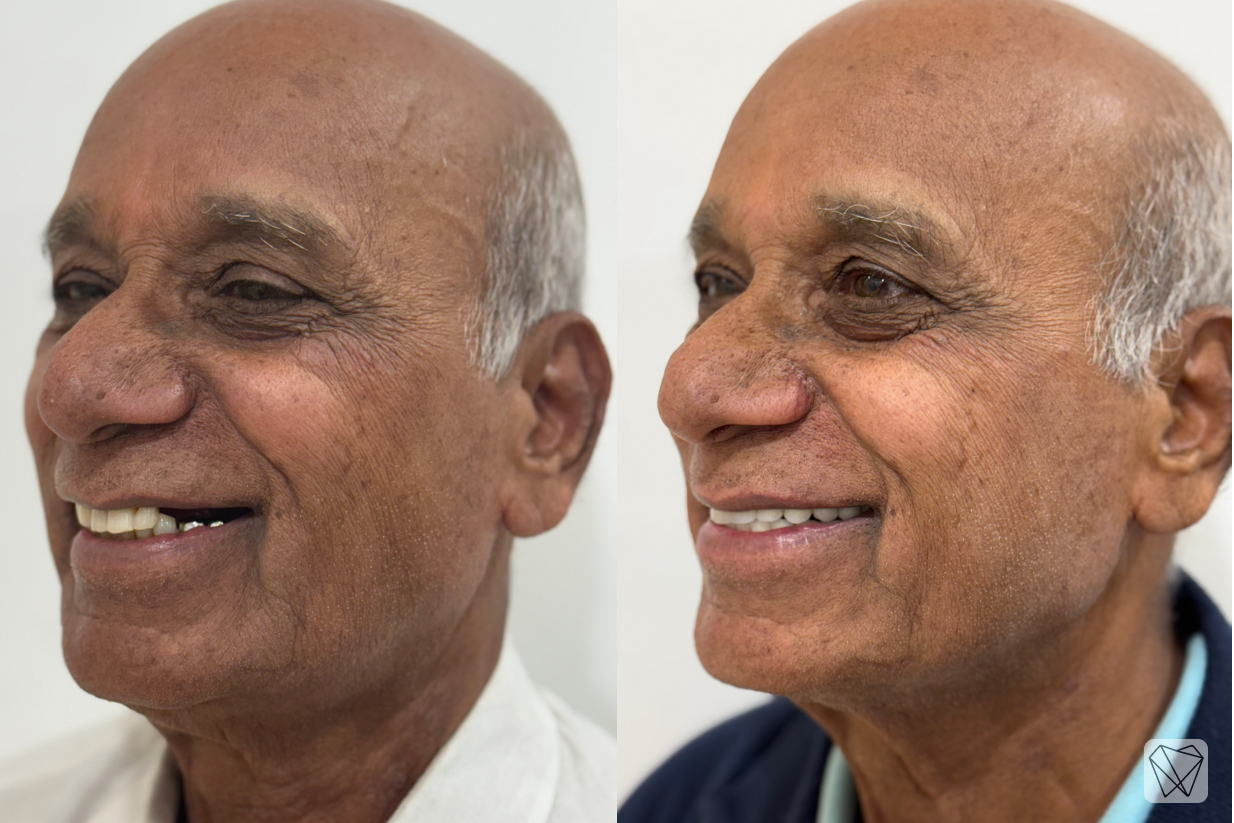
Dental implants at House of Tooth: Man, 59 · extensive tooth loss

Man, 59 · extensive tooth loss

Both arches restored with implant-supported teeth in 8 days.

Dental implants at House of Tooth: Missing and worn teeth

Missing and worn teeth

Full mouth rehabilitation with implants placed under local anaesthesia.

Dental implants at House of Tooth: Implants or dentures?

Implants or dentures?

How the two compare for comfort, chewing and the jawbone.

Reception at House of Tooth dental clinic, Baner

Who will treat you

Your House of Tooth dental team

Implant treatment at House of Tooth is planned and carried out by our dental team, from the 3D scan to the final crown, and every step is explained before it begins. The clinic is led by Dr. Aniket Kasodekar and Dr. Bhakti Halapanavar and works with specialists in each field.

Recovery

After implant surgery: do’s and don’ts

Do

  • Bite gently on the gauze and change it when it soaks through
  • Sit upright and hold an ice pack to your cheek in 20-minute spells
  • Take your painkillers before the numbness wears off
  • Eat cool, soft food such as yoghurt, dal or khichdi
  • Start gentle salt-water rinses after the first 24 hours
  • Brush your other teeth normally
  • Come for your check-up in the first one to two weeks

Don’t

  • Don’t eat while your mouth is still numb
  • Don’t have hot food, seeds or grains that can lodge in the site
  • Don’t use a straw or spit forcefully
  • Don’t chew on the implant side until we say so
  • Don’t smoke
  • Don’t ignore bleeding that won’t stop after 30 minutes of firm pressure, swelling or pain that gets worse after day 4, or a fever: call us

Questions patients ask

Dental implant FAQs

A small titanium post placed in the jawbone where a tooth root used to be. Once the bone has bonded to it, a crown or bridge is fixed on top, so it looks and works much like a natural tooth.
It is a minor procedure done under local anaesthetic, and you will be numb for two to four hours afterwards. Expect some swelling and soreness for the first few days, usually at its worst on day two or three. Recovery, day by day
Most patients are back at work within two or three days (longer if your job is physical). Stitches dissolve or come out at around a week to ten days, and the gum has usually closed over by two weeks.
The implant needs to bond to the bone first: about three months in the lower jaw and up to six in the upper. If you need a bone graft or sinus lift, add a few months. Your final crown goes on after that.
When a whole arch is replaced, fixed temporary teeth are usually fitted within days of surgery. That is the temporary stage; your permanent teeth go on once the implants have bonded. Teeth in one day?
A bridge needs the teeth on either side to be shaped for crowns; an implant leaves them untouched and helps keep the bone. A bridge can make sense if those teeth already need crowns or if you want to avoid surgery. Bridge vs implant
Dentures are removable and sit on the gums; implants are fixed in the bone, so they feel more stable for eating and speaking and help preserve the jawbone. Dentures are still a good option for some patients. Implants vs dentures
Most adults with healthy gums and enough jawbone are, and a bone graft can often build up bone that is missing. Uncontrolled diabetes and heavy smoking raise the risk of problems. A 3D CBCT scan shows us your bone before we plan.
Cool, soft food once the numbness has worn off, such as yoghurt, dal, khichdi or ice cream. Avoid hot food, seeds and grains, and don’t use a straw. You can widen what you eat over the following days, keeping off the implant side.
Book a consultation using the calendar below, or WhatsApp or call us. We will examine your mouth, take the scans needed and explain your options.

Book your consultation

Book your implant consultation

Choose a day and time that suits you. We will examine your mouth, check whether implants suit you and explain your options. Prefer to talk first? WhatsApp or call us.

Loading available times…